Top Web Design Trends for 2025
(That Actually Matter)
What businesses need to know about design, UX, and the evolving digital landscape
Estimated Reading Time — 7 minutes


The web design landscape entering 2025 has shifted dramatically. Businesses are no longer looking for visually loud websites or overproduced effects—what actually matters now is clarity, personalization, trust, and high performance. The most successful websites this year are built around user behavior, technical excellence, and brand authenticity. Below is a complete breakdown of the trends shaping the digital world in 2025, explained in a way that focuses on what truly impacts rankings, engagement, and conversions.
AI-Enhanced Personalization Is Becoming the Default
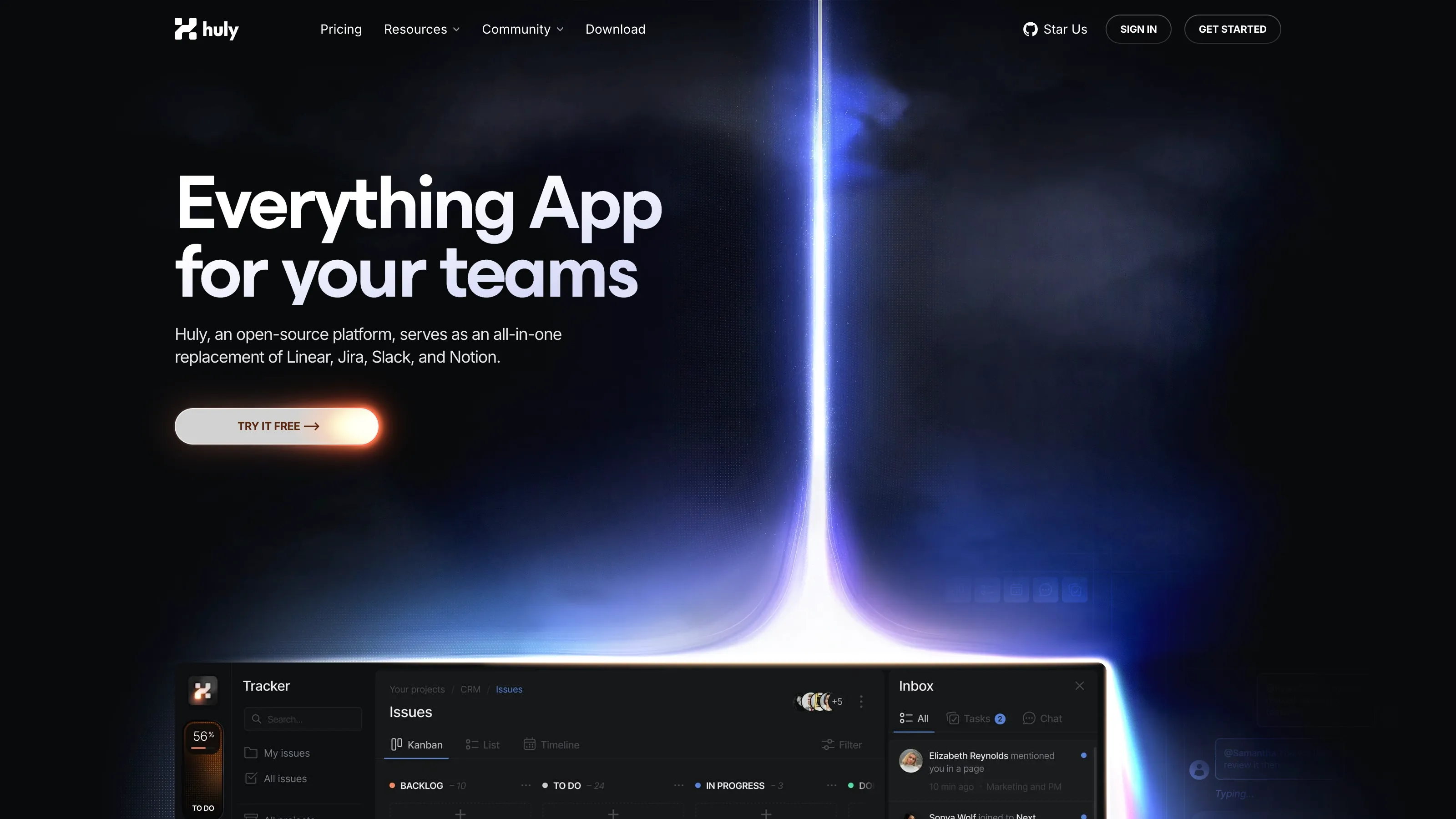
Artificial intelligence has moved far beyond simple chat widgets or automated recommendations. In 2025, modern websites dynamically adapt to each user, showing content, offers, and navigation pathways that feel intentionally designed for them. Instead of browsing a static website, users interact with a platform that learns from their behavior and adjusts in real time. This shift improves engagement and drastically increases conversion potential, especially for businesses targeting competitive digital markets.
Performance Is Now a Direct Ranking Factor
Speed is no longer a “nice to have.” Google’s 2025 standards tie performance to search visibility, user trust, and conversion rates. Websites must load quickly, operate smoothly across all devices, and deliver content instantly. This has pushed agencies to adopt lightweight frameworks, optimize code architecture, and prioritize server-side rendering.
Sites that ignore performance benchmarks inevitably drop in rankings and sales, which is why serious agencies treat performance as a core part of the design strategy.Artificial intelligence has moved far beyond simple chat widgets or automated recommendations. In 2025, modern websites dynamically adapt to each user, showing content, offers, and navigation pathways that feel intentionally designed for them. Instead of browsing a static website, users interact with a platform that learns from their behavior and adjusts in real time.
This shift improves engagement and drastically increases conversion potential, especially for businesses targeting competitive digital markets.
Strategic Simplicity Replaces Minimalism
Minimalism hasn’t disappeared, but it has evolved. Instead of empty layouts and oversized hero sections, the new focus is “strategic simplicity” a design approach centered around reducing friction and guiding the user with purpose. Interfaces are cleaner, decision-making is easier, and every element on the page has a job to do. Businesses have realized that users don’t want more visuals; they want clarity. This cleaner approach generates significantly better results across SEO, UX, and conversion funnels.
Micro-Interactions That Improve Usability
In 2025, micro-interactions aren’t decorative add-ons—they’re functional elements that shape how users move through a website. Smooth button feedback, subtle hover cues, real-time form validations, and micro-animations guide the eye and create a sense of elegance and polish. When used with intention, these interactions make the site feel premium without overwhelming the experience. The difference between a generic website and a high-end one is often found in these small, refined touches.
Content Experience Design Takes Center Stage
Content is no longer something that fills space it is the backbone of the digital experience. Websites are now built around content strategy, not the other way around. Businesses are embracing modular structures, layout storytelling, and carefully layered editorial hierarchies that encourage deeper reading and engagement.
This approach helps websites communicate authority, improve SEO, and give users the clarity they need to take action. For service-based businesses, this shift is crucial, as strong content often becomes the key differentiator in saturated markets.
Accessibility Becomes a Non-Negotiable Standard
2025 marks a year where accessibility has become essential not simply for compliance, but for search performance and user inclusivity. High-contrast design, accessible typography, keyboard navigation, proper semantic structure, and reduced-motion modes have become standard across professionally built websites.
A fully accessible website expands the business’s reach, strengthens user trust, and signals brand maturity. In cities like Miami, where diverse audiences interact daily, accessibility adds real competitive advantage.
Brands Prioritize Authentic Visual Identity
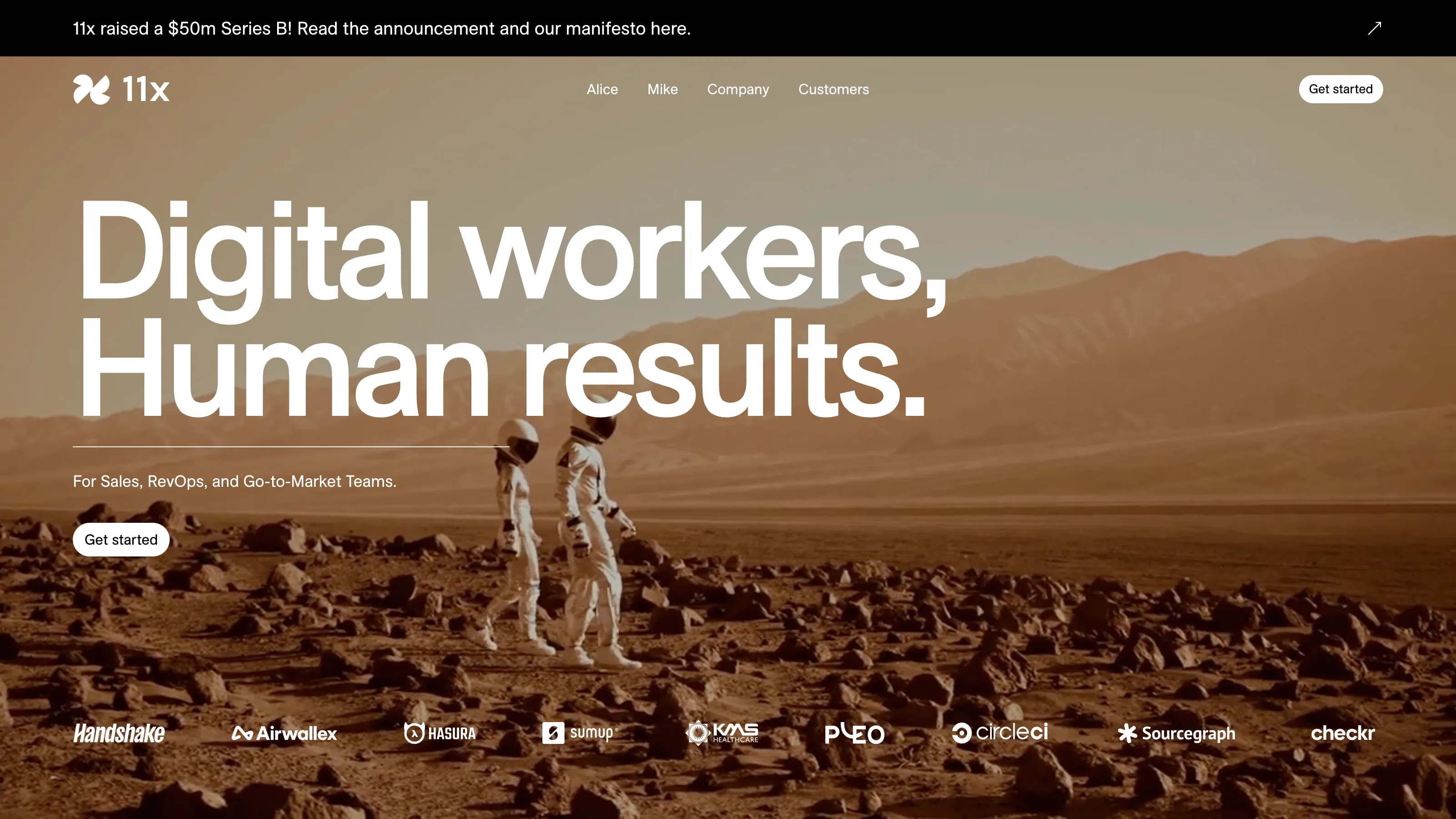
The era of generic templates and stock images is fading quickly. Users now expect authenticity and human connection. Businesses are investing in custom photography, distinct color systems, signature design patterns, and human-centered visual storytelling. This trend isn’t about aesthetics alone it strengthens brand recall and establishes deeper emotional engagement. With so many industries becoming visually indistinguishable, unique branding has become one of the fastest ways to stand out.
Search-Integrated Interfaces Redefine Navigation
As AI continues to influence user behavior, websites are beginning to behave more like intelligent platforms rather than static pages. Advanced on-site search tools are increasingly replacing traditional multi-level navigation menus. These systems interpret user intent, deliver instant results, and guide visitors toward the information that matters most.
This shift dramatically improves usability for large websites and enhances conversion pathways for businesses that offer a wide range of services or products.
Ethical, Privacy-Focused UX Builds Trust
Users are becoming more aware—and more cautious about how their data is handled. This has pushed businesses to adopt transparent, ethical UX practices. Clear data policies, simplified consent options, honest copywriting, and clean account management interfaces are now essential parts of modern design.
These practices not only meet compliance expectations but also reinforce credibility in an increasingly skeptical digital environment.
Flexible CMS Ecosystems Become the New Norm
Companies in 2025 want both power and convenience. This has led to the rise of hybrid platforms that combine custom development with no-code flexibility. Businesses can scale, integrate advanced systems, and maintain high performance while still being able to update their content without technical assistance.
Agencies are adapting to this demand by building frameworks that offer long-term usability without sacrificing quality or technical depth.
Conclusion: Only the Trends That Drive Growth Truly Matter
The most important trends of 2025 are those that improve clarity, speed, personalization, and user trust. Web design has matured into a discipline where performance and strategy matter just as much as visuals. Businesses that adopt these trends will enjoy stronger rankings, higher engagement, and more meaningful digital interactions.A modern website is a living asset not something created once and forgotten.
When executed with intention and expertise, it becomes one of the strongest growth tools a business can have.
Insights & Ideas
Explore Real Strategies, Trends, and Tips to Help Your Brand Grow.